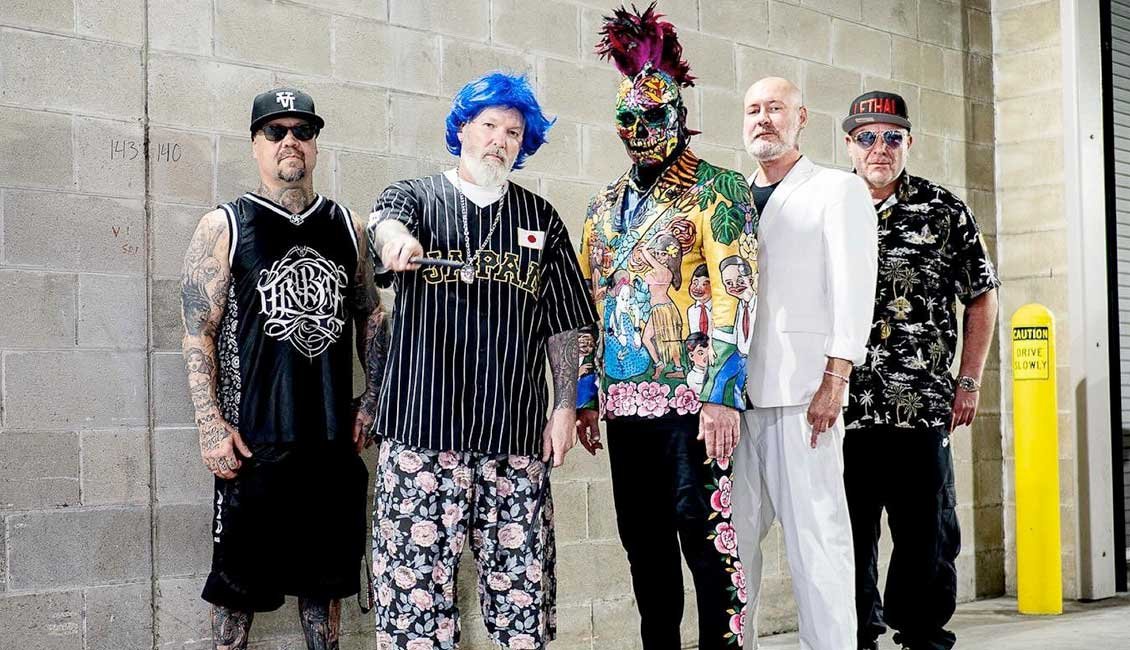
Limp Bizkit, the American nu-metal outfit hailing from Jacksonville, Florida, burst onto the music scene in 1994, fundamentally shaping the soundscape of late 20th and early 21st-century rock. The band’s formation was a confluence of various musical backgrounds and a shared vision to blend the raw aggression of metal with the rhythmic swagger of hip-hop. Lead vocalist Fred Durst, initially a landscaper and tattoo artist with a keen interest in breakdancing, hip-hop, punk rock, and heavy metal, envisioned a band that fused these disparate elements. He recruited bassist Sam Rivers, a former bandmate, who in turn suggested his cousin, jazz-trained drummer John Otto. After a few brief stints with other guitarists, Wes Borland joined as the permanent guitarist, bringing his distinctive visual style and innovative, often experimental, sonic approach to the band. Completing the core lineup was DJ Lethal, formerly of the hip-hop group House of Pain, whose turntable wizardry added an authentic hip-hop layer to their abrasive sound. Durst deliberately chose the name “Limp Bizkit” to be off-putting, believing it would repel casual listeners and attract those genuinely open to their unconventional style.
The band’s musical style is best categorised as nu-metal, a subgenre of alternative metal that gained immense popularity in the late 1990s. This genre is defined by its fusion of heavy metal riffs, hip-hop-influenced vocals (often rapping, singing, and screaming), and a strong emphasis on rhythmic groove. Limp Bizkit perfected this blend, with Durst’s angry and often angst-ridden vocal delivery riding over Borland’s downtuned, syncopated guitar riffs, Otto’s powerful drumming, Rivers’ driving basslines, and DJ Lethal’s scratching and samples. Their early sound, showcased on their debut album “Three Dollar Bill, Y’all” (1997), was raw and confrontational. However, it was with subsequent albums like “Significant Other” (1999) and “Chocolate Starfish and the Hot Dog Flavored Water” (2000) that their sound evolved, becoming more polished and incorporating elements of funk and industrial metal, alongside more melodic passages. Lyrically, Durst often explored themes of alienation, frustration, and rebellion, resonating deeply with a generation of disillusioned youth.
Limp Bizkit’s appeal and popularity in the United Kingdom mirrored, and in some aspects even surpassed, their success in their home country. Their arrival coincided with a period when the UK charts were increasingly open to heavier music with a crossover appeal. Their energetic and often provocative live performances quickly garnered a dedicated fanbase. The band’s breakthrough in the UK began in earnest with their cover of George Michael’s “Faith,” which, despite its unlikely origins, became a significant hit. However, it was the singles from “Significant Other” and “Chocolate Starfish and the Hot Dog Flavored Water” that truly cemented their status as a major force. “Take a Look Around,” the theme from “Mission: Impossible 2,” reached number three on the Official Singles Chart in 2000, setting the stage for even greater success.
The pinnacle of their UK popularity arrived in 2001 when “Rollin’ (Air Raid Vehicle)” stormed to the number one spot on the Official Singles Chart, holding the position for two weeks. This was followed by their album “Chocolate Starfish and the Hot Dog Flavored Water” also topping the Official Albums Chart, where it spent a week at number one and an impressive 54 weeks in the chart overall, achieving triple platinum certification. Other notable UK hits included “My Generation” (peak position 15), “My Way” (peak position 6), and “Boiler” (peak position 18).
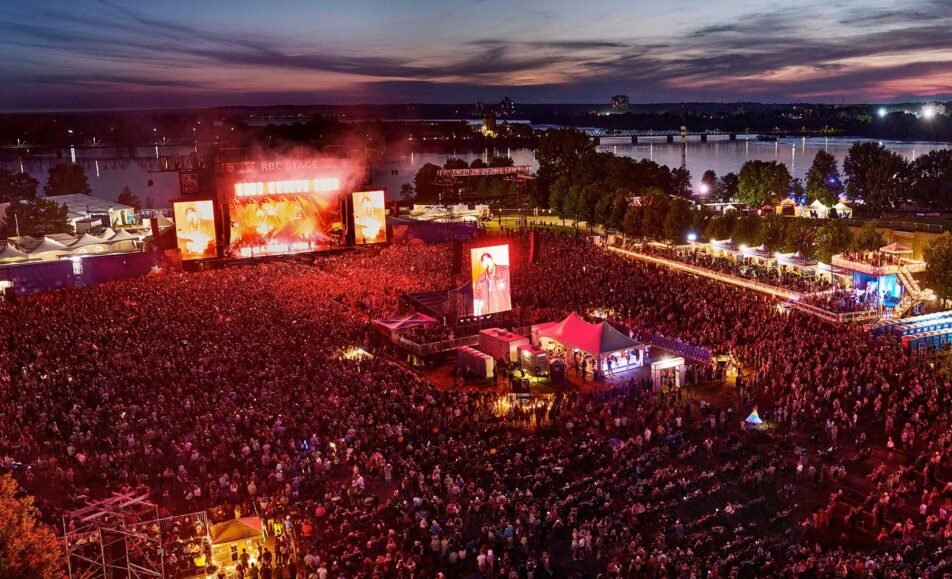
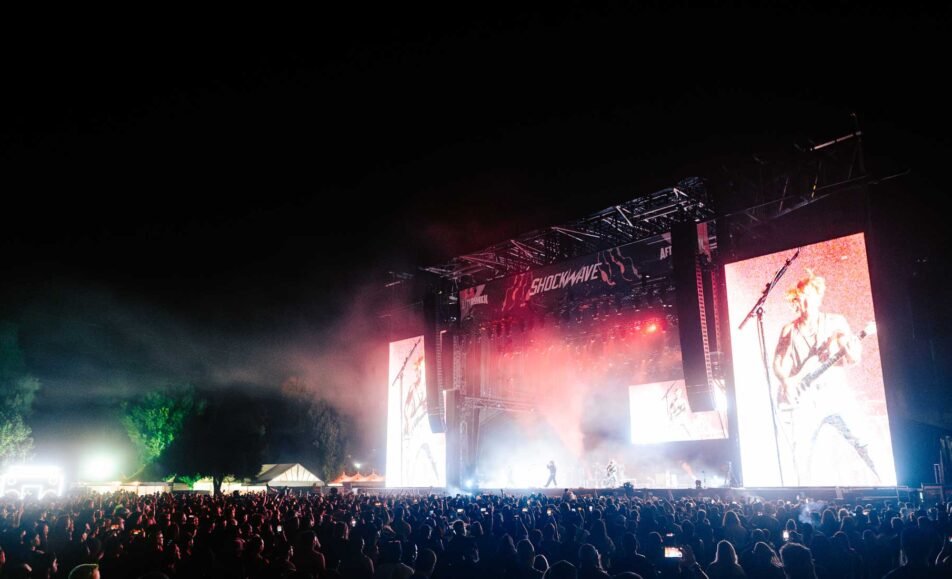
Their appeal to the British public stemmed from multiple factors. Firstly, the nu-metal genre itself offered a fresh, aggressive sound that blended the raw energy of rock with the swagger and lyrical flow of hip-hop, appealing to fans of both genres. Limp Bizkit, with Durst’s distinct persona and Borland’s theatrical stage presence, presented a rebellious and often outrageous image that captivated audiences, particularly teenagers and young adults seeking an outlet for their own frustrations. Their music, while often criticised by purists for its perceived simplicity or controversial lyrics, provided an undeniable anthemic quality that translated into fervent mosh pits and singalongs at concerts and festivals. The band’s continued ability to sell out major venues in the UK, even decades after their initial heyday, underscores a lasting connection with their fanbase, fuelled by both nostalgia for the turn of the millennium and a genuine appreciation for their unique, unapologetic sound. Their performances at festivals like Reading and Leeds consistently draw massive crowds, demonstrating their enduring cultural impact and status as a beloved, albeit often divisive, act in British rock history.