The Enduring Legacy of The Cure: Goth Rock’s Pop Alchemists
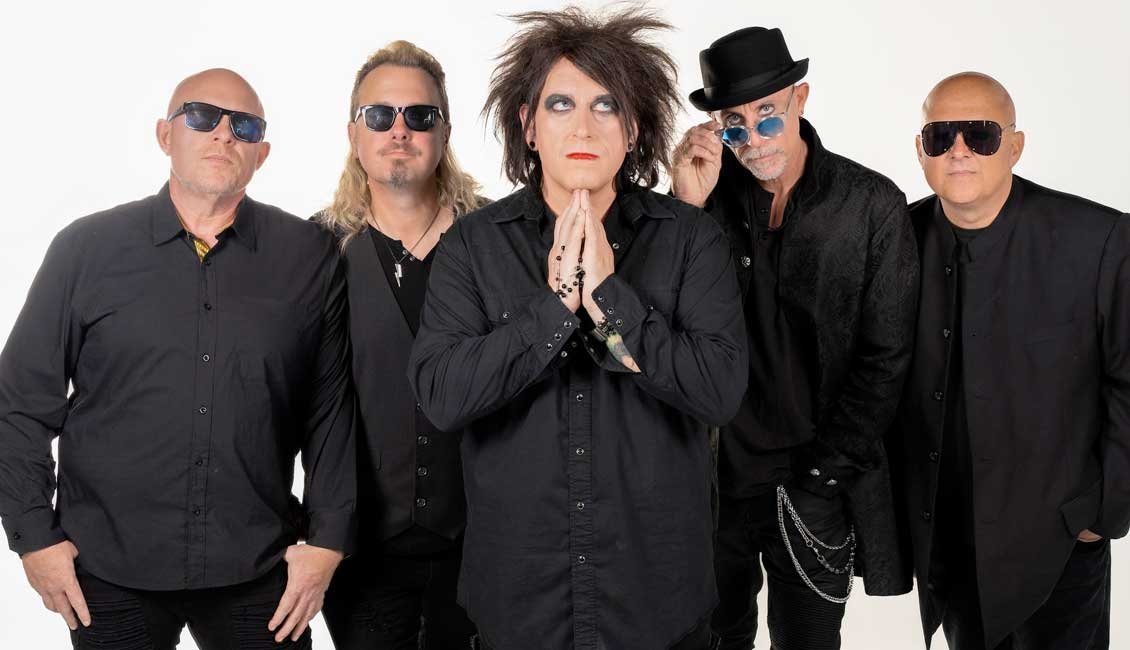
The English rock band The Cure, fronted by the iconic, perpetually dishevelled Robert Smith, stands as one of the most influential and enduring acts to emerge from the late 1970s post-punk movement. Their fascinating journey, marked by radical stylistic shifts and a dizzying number of line-up changes (with Smith remaining the only constant member), has cemented their place in alternative music history. They are not merely a band but a whole atmospheric realm, where melancholic introspection co-exists with undeniable pop genius.
The genesis of The Cure traces back to 1976 in Crawley, West Sussex, originally as Easy Cure before settling on the shorter, sharper moniker in 1978. Their debut album, Three Imaginary Boys (1979), was a raw, post-punk affair, yielding the enduring early hits like ‘Boys Don’t Cry’ and ‘Jumping Someone Else’s Train’. However, their signature sound, that minimalist, dark, and deeply atmospheric style—truly coalesced with their “gothic trilogy” of albums: Seventeen Seconds (1980), Faith (1981), and the intensely bleak masterpiece, Pornography (1982). These records, featuring the seminal ‘A Forest’, helped define the burgeoning goth rock movement, painting soundscapes of isolation and existential dread.
A radical pivot came in the mid-80s, driven partly by Smith’s desire to dissolve the suffocating darkness and explore commercial viability. This unexpected foray into pop music delivered infectious, quirky hit songs like ‘Let’s Go To Bed’, ‘The Walk’, and the irresistible, jazzy ‘The Lovecats’. This unexpected versatility was expertly synthesised on the universally acclaimed albums The Head on the Door (1985) and Kiss Me, Kiss Me, Kiss Me (1987), which included further global hits such as ‘In Between Days’, ‘Close to Me’, and the shimmering ‘Just Like Heaven’.
Their undisputed commercial and critical zenith arrived with Disintegration (1989). A return to the longer, moodier arrangements of their gothic period, it masterfully blended epic grandeur with pop sensibilities, spawning their biggest-selling singles in the UK and US, including ‘Lovesong’, ‘Lullaby’, and ‘Pictures of You’. The early ’90s kept the momentum, with Wish (1992) reaching number one in the UK and number two in the US, giving the band one of their most popular and joyous hits, ‘Friday I’m in Love’.
So, where are The Cure today? Far from resting on their legendary laurels, The Cure continue to be a vital, actively touring entity, playing to massive stadium and festival crowds globally. The current line-up, anchored by Robert Smith and the long-serving bassist Simon Gallup, also features Roger O’Donnell on keyboards, Jason Cooper on drums, and Reeves Gabrels on guitar. In 2024, they released Songs of a Lost World, their 14th studio album and first in sixteen years, which was met with widespread acclaim and topped the charts in multiple countries, proving their enduring creative force and continued relevance in the alternative rock scene. Their induction into the Rock and Roll Hall of Fame in 2019 confirmed their monumental impact. The Cure’s music is a tapestry of darkness and light and continues to inspire new generations, with Smith’s distinctive look and sound remaining a powerful cultural touchstone. The band is actively planning for future live dates and their 15th studio album.