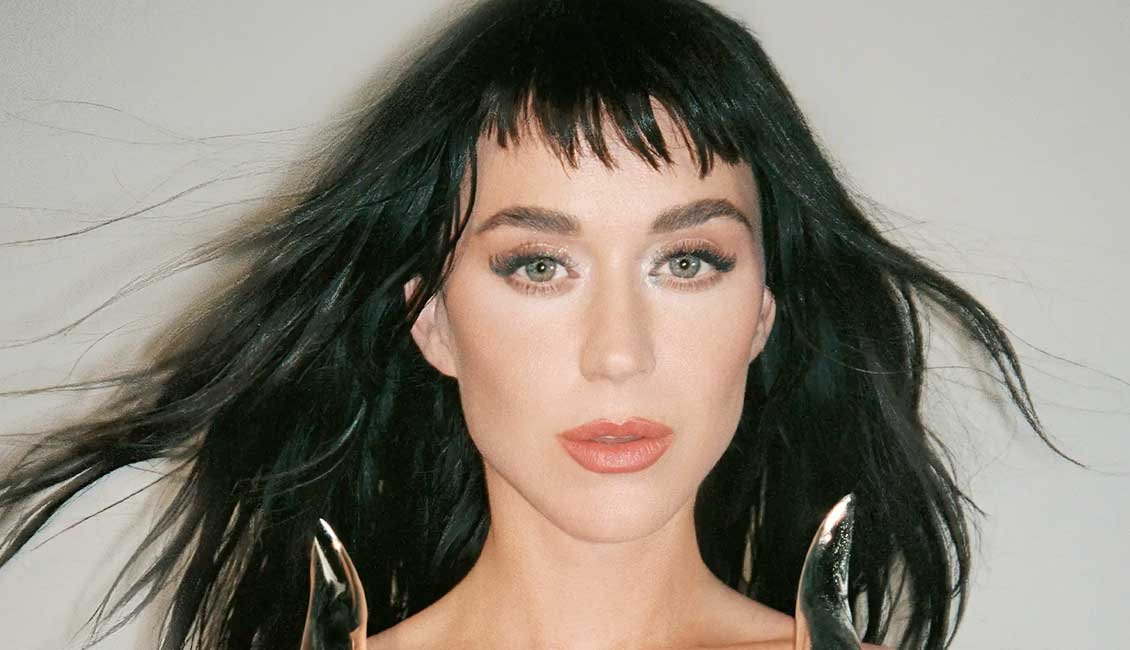
Few artists have defined the sound, style, and spectacle of 21st-century pop quite like Katy Perry. With her kaleidoscopic visuals, irresistible hooks, and unwavering sense of individuality, she has become one of the most influential and enduring figures in modern music. But behind the candy coloured image and chart-topping hits lies a story of persistence, reinvention, and self-belief a journey that began long before “I Kissed a Girl” made her a household name.
Born Katheryn Elizabeth Hudson on October 25, 1984, in Santa Barbara, California, Perry grew up in a conservative, deeply religious household. Her parents were Pentecostal pastors, and music was an integral part of family and church life. As a child, she sang in the church choir and was surrounded by gospel influences, from Amy Grant to CeCe Winans. Yet even as she absorbed the spiritual passion of those sounds, she felt a pull toward something broader, a desire to explore music and expression beyond the boundaries she’d been raised in.
At just 15, Perry left school to pursue a career in music. Her first step was a Christian gospel album, Katy Hudson, released in 2001. Despite her talent, the record failed commercially, and her label soon folded. It was a disheartening start, but it also marked the beginning of her transformation. Determined to reinvent herself, she moved to Los Angeles, adopted her mother’s maiden name Perry to avoid confusion with actress Kate Hudson, and began the long climb toward stardom.
The early 2000s were a grind. Perry bounced between labels, recorded countless demos, and faced repeated rejection. For years, success seemed just out of reach. But her persistence paid off when Capitol Records signed her in 2007. The following year, she released One of the Boys, a record that introduced the world to her bold blend of pop, rock, and cheeky provocation. The breakout single “I Kissed a Girl” became a cultural phenomenon, topping charts around the world and sparking conversations about sexuality, freedom, and identity in pop music. With that one song, Katy Perry became a global star.
Her next album, Teenage Dream (2010), cemented her as a pop icon. The record produced an unprecedented string of hits – “California Gurls,” “Firework,” “E.T.,” “Last Friday Night (T.G.I.F.),” and the title track, all of which reached number one on the Billboard Hot 100. Perry became the first woman and only the second artist (after Michael Jackson) to score five number-one singles from a single album. The sound was pure pop perfection, but what made Teenage Dream endure was its emotional honesty beneath the glitter, an album about youth, vulnerability, and the electric thrill of possibility.
As Perry’s fame soared, so did her artistic ambition. Prism (2013) saw her embrace a more mature tone, with songs like “Roar” and “Unconditionally” exploring empowerment and self-acceptance. It was also the era that showcased her flair for spectacle—her 2015 Super Bowl halftime show became one of the most watched television events in history, complete with a roaring “Left Shark” that became an instant pop-culture meme.
In the years that followed, Perry continued to evolve. Witness (2017) explored deeper themes of self-awareness and social commentary, while Smile (2020) reflected resilience and optimism after personal challenges, including the end of her high-profile marriage to comedian Russell Brand and her later journey into motherhood with fiancé Orlando Bloom. Throughout it all, she remained a vibrant, relatable presence, an artist unafraid to pair vulnerability with humour, and sincerity with spectacle.
Beyond her music, Katy Perry has become a cultural force. She’s served as a judge on American Idol, mentored emerging artists, and used her platform to champion LGBTQ+ rights, mental health awareness, and voter engagement. Her influence extends beyond charts and awards—she has reshaped what it means to be a modern pop star: playful yet profound, self-aware yet larger than life.
Two decades after her debut, Katy Perry stands as one of the best-selling artists of all time, with more than 18 billion streams and countless accolades. But numbers only tell part of her story. Her true legacy lies in her ability to inspire confidence and joy in others to remind fans that reinvention is not just possible, but powerful.
From the pews of her childhood church to the world’s biggest stages, Katy Perry’s journey has been one of faith – faith in herself, in the power of art, and in the magic that happens when you dare to dream in full colour.