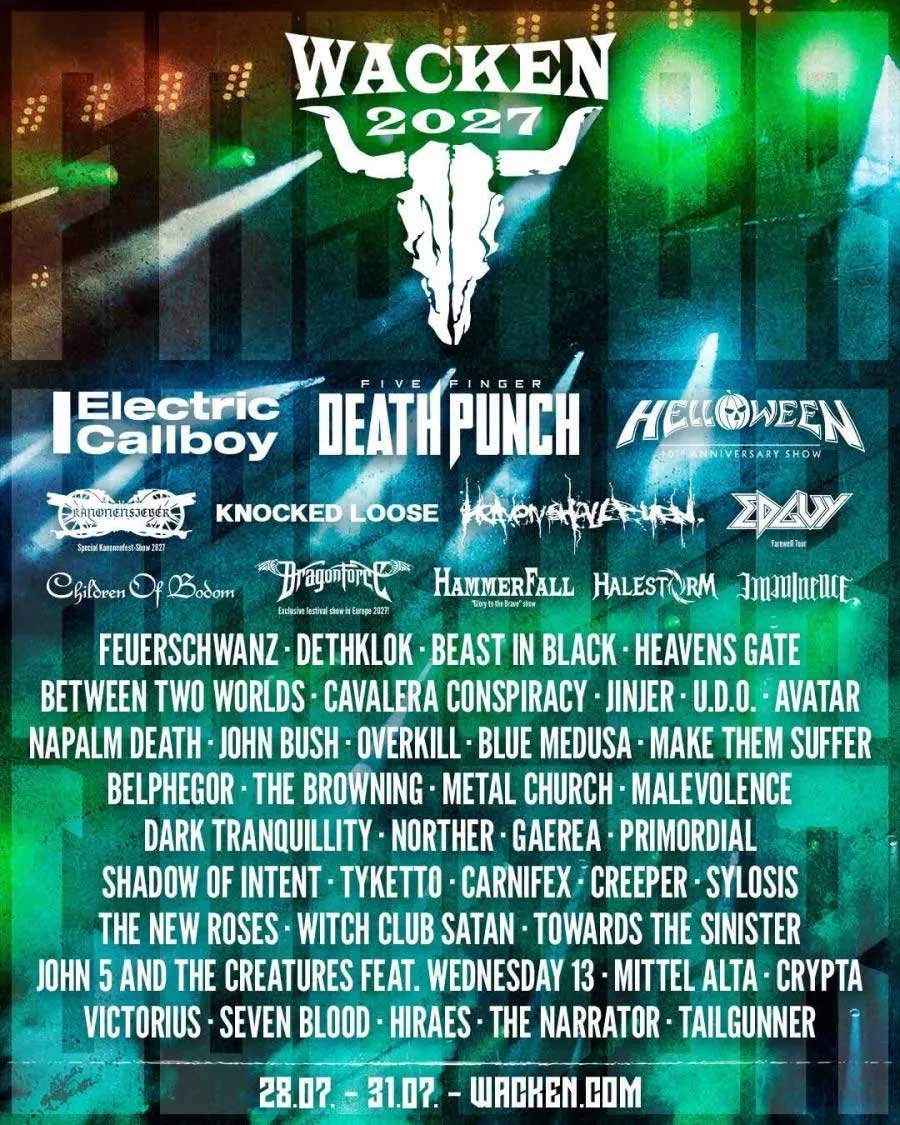
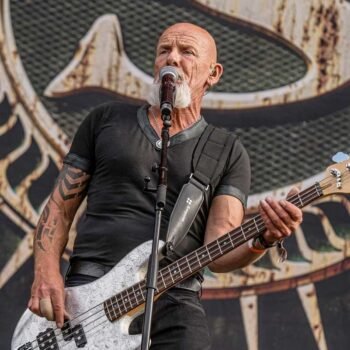
Nestled in the tranquil, otherwise unassuming village of Wacken in Schleswig-Holstein, Germany, lies the legendary Wacken Open Air festival, a pilgrimage site for heavy metal enthusiasts from across the globe. What began as a modest gathering in 1990 has burgeoned into one of the world’s most iconic and largest heavy metal festivals.
The festival’s origins are rooted in a simple desire to celebrate heavy music. Two local metal musicians, Holger Hübner and Thomas Jensen, conceived the idea of an open-air event in a former gravel pit on the outskirts of Wacken. That first year, a mere 800 fans attended, witnessing a handful of German bands. Yet, from these humble beginnings, a phenomenon was born. Over the decades, Wacken Open Air steadily grew in size and reputation, attracting an ever-increasing audience and a roster of internationally renowned bands. Today, it hosts over 80,000 “metalheads” annually, transforming the small village into a sprawling, temporary city.
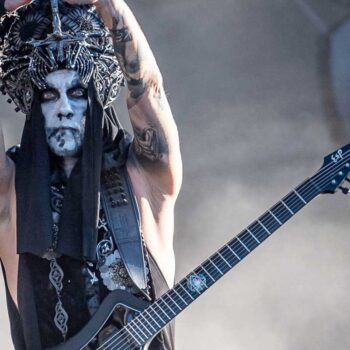
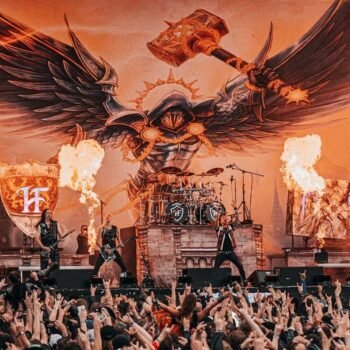
The musical heart of Wacken Open Air beats to the rhythm of heavy metal in its myriad forms. While the core remains traditional heavy metal, the festival proudly embraces nearly every subgenre imaginable. From the blistering speed of thrash metal and the intricate melodies of power metal to the guttural roar of death metal, the dark grandeur of black metal, and the earthy vibes of folk and pagan metal, there’s something to satiate every metallic palate. Over the years, legendary acts such as Iron Maiden, Slayer, Metallica, Motörhead, and Judas Priest have graced its numerous stages, cementing its status as a must-play venue for the genre’s titans. Beyond the main stages, Wacken also offers unique areas like the “Wackinger Village,” a medieval market complete with themed music, and the “Wasteland Stage,” catering to more apocalyptic sounds.
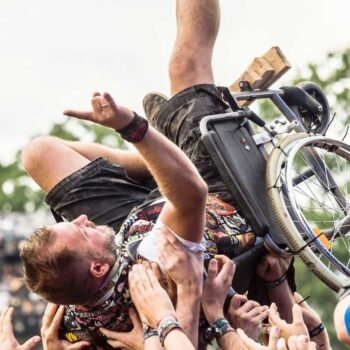
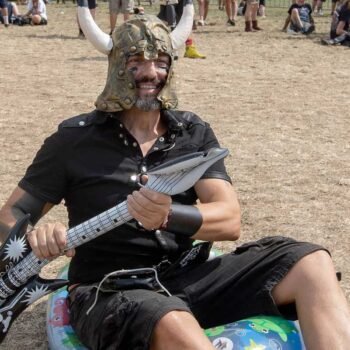
Taking place annually on the first weekend of August, the festival’s location in rural Wacken is as much a part of its charm as the music itself. The village, with its population of just over 2,000, extends a unique and often celebrated hospitality to the tens of thousands of metal fans who descend upon it. This harmonious coexistence, combined with the sheer scale of the event and its unwavering dedication to all things metal, has forged Wacken Open Air into more than just a festival; it’s a global community, a “Holy Ground” where metal lives and breathes.