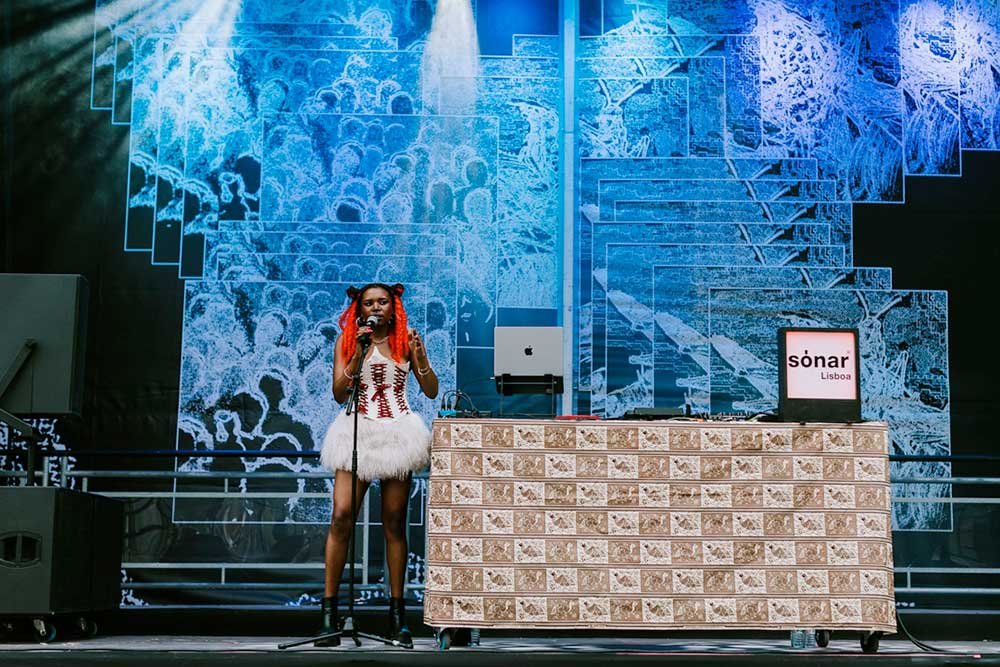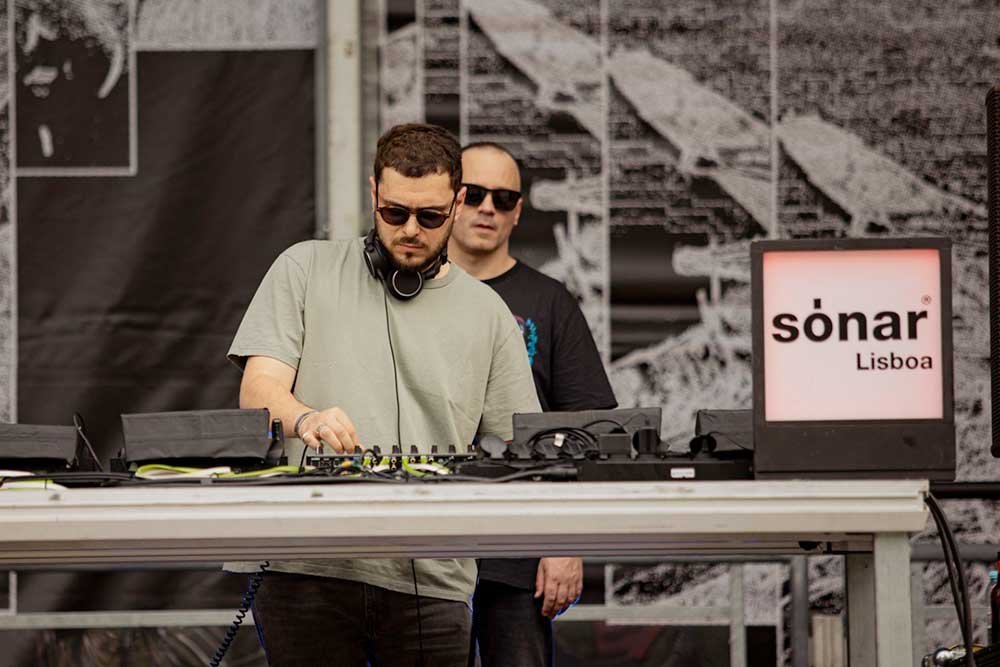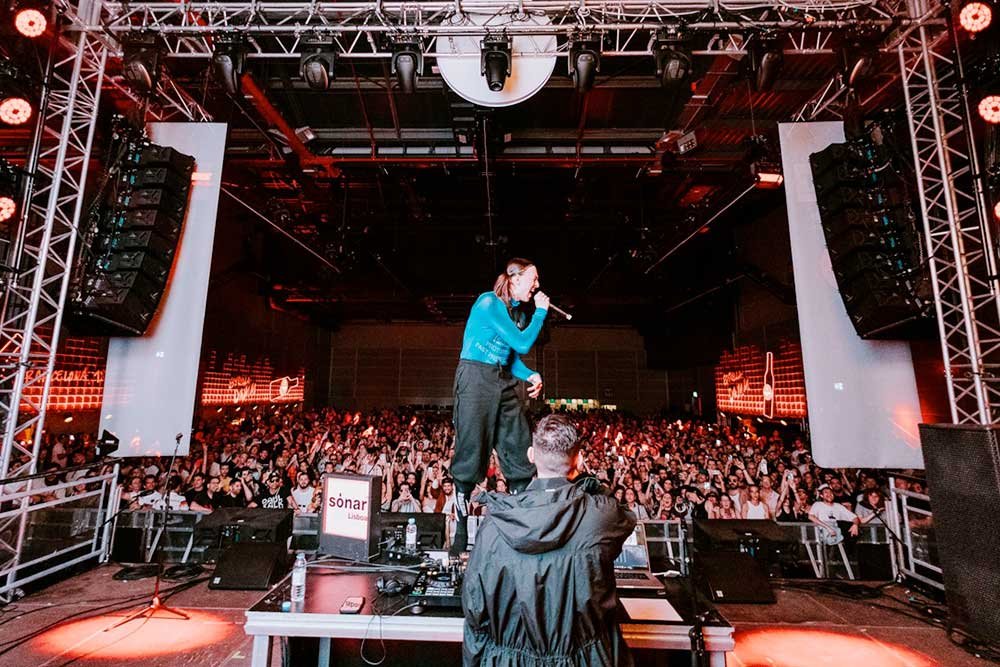
Sónar Lisboa is the Lisbon edition of the internationally renowned Sónar Festival, which originated in Barcelona, Spain, in 1994. The festival made its debut in Lisbon in 2013, bringing the cutting-edge combination of music, creativity, and technology to Portugal. Sónar Lisboa is known for its focus on electronic music, experimental sounds and digital arts, attracting a forward-thinking crowd of music enthusiasts, artists and industry professionals.
The festival’s programming is eclectic and diverse, with a primary emphasis on electronic genres such as techno, house, drum and bass and ambient music, as well as experimental, avant-garde, and electro-pop sounds. Over the years, Sónar Lisboa has showcased high-profile acts from the world of dance music, hip hop, and underground music, with performances by artists like Richie Hawtin, Laurent Garnier, Jorja Smith, and Four Tet. The festival’s lineup often features both established DJs and producers, as well as emerging talent, creating a space for innovation and new musical discoveries.
The crowd at Sónar Lisboa is generally young, vibrant, and diverse, made up of local music fans, international visitors, and those from the creative industries, including artists, designers, and technologists. The festival is held in unique venues that often blend traditional settings with modern installations, offering an immersive experience for attendees. Visual art, projection mapping, and interactive installations play a big role in the festival’s atmosphere, bridging the gap between music and digital creativity.
Sónar Lisboa has become an essential event for lovers of electronic music, technology, and the arts, offering an unforgettable, forward-thinking cultural experience in the heart of Lisbon.