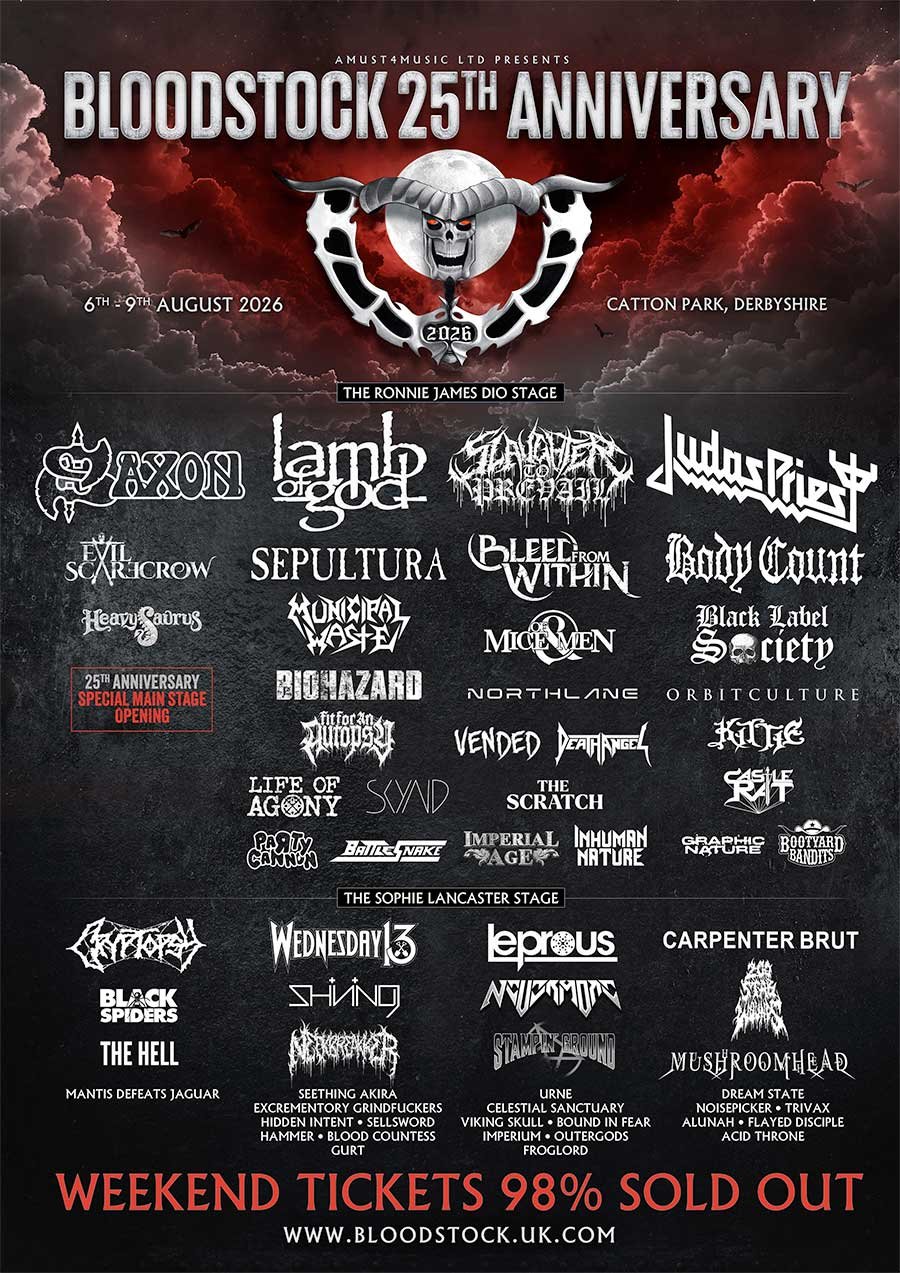
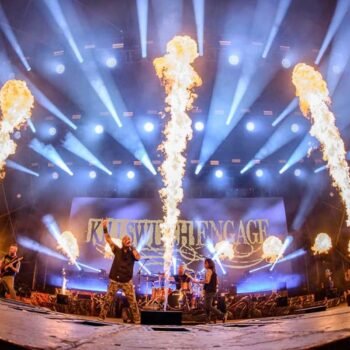
Bloodstock Open Air is the UK’s largest independent heavy metal festival, a stalwart of the summer calendar for fans of all things loud and heavy. Its origins are a testament to the passion of its founder, fantasy artist Paul Raymond Gregory, who first created an indoor festival in 2001 at the Derby Assembly Rooms. The initial one-day event, headlined by Saxon, attracted just 700 attendees. However, with a fervent desire to create a festival for metal fans, by metal fans, the event quickly grew in popularity. By 2005, the demand had become so great that the festival moved outdoors to its current home.
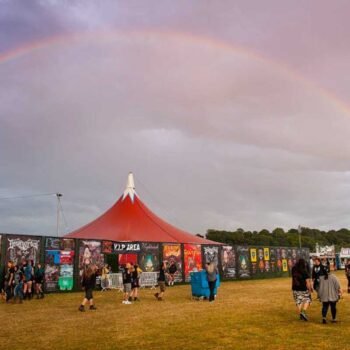
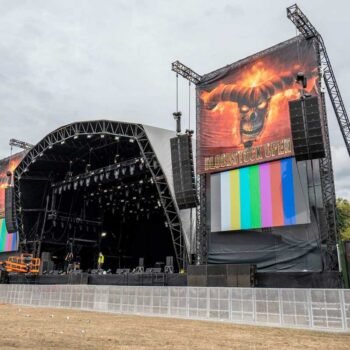
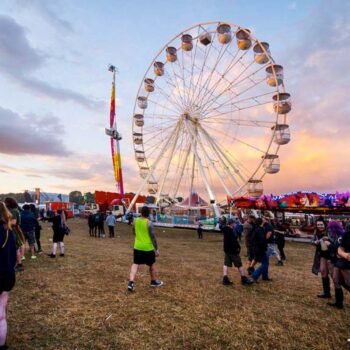
The venue for this yearly metal pilgrimage is Catton Hall in Walton-on-Trent, Derbyshire. This picturesque parkland provides a sprawling backdrop for the four-day event, with multiple stages, extensive camping areas, and a lively festival atmosphere. The setting is central to the festival’s identity, allowing it to expand while maintaining a close-knit and friendly feel that many refer to as the “Bloodstock family.” Unlike some of the UK’s larger festivals, Bloodstock’s more intimate capacity ensures shorter walks between stages and a communal vibe.
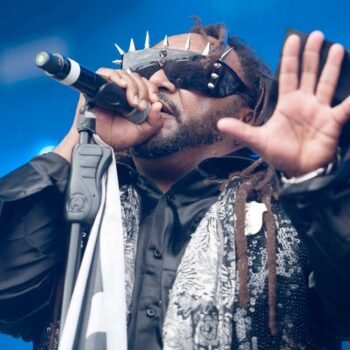
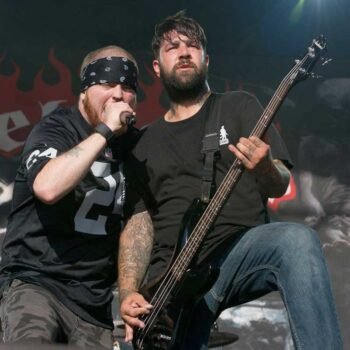
Musically, Bloodstock is a celebration of the entire spectrum of heavy metal. From traditional heavy metal and hard rock to the more extreme sub-genres of death, black, and doom metal, there is something for every kind of metalhead. The main stage, named in tribute to the legendary Ronnie James Dio, hosts some of the biggest names in the international metal scene. Alongside this, the Sophie Lancaster Stage provides a platform for a wider range of genres, while the New Blood Stage is dedicated to showcasing the best of up-and-coming talent in the UK metal scene. The festival is renowned for its diverse lineups, often featuring bands playing their first-ever UK show.
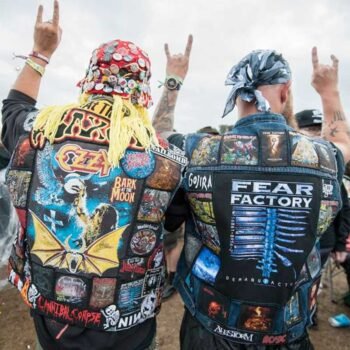
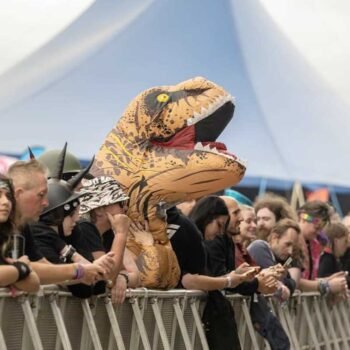
Over the years, Bloodstock has consistently grown in both size and reputation. From its humble indoor beginnings, it has blossomed into an outdoor event that now typically attracts around 20,000 to 25,000 people each year. This impressive attendance figure solidifies its position as a major fixture in the UK’s festival landscape, a place where metal fans from across the country and beyond gather to celebrate their shared love of heavy music. The festival’s success is a clear indication that its founders’ initial vision of a festival by fans, for fans, has been fully realised.