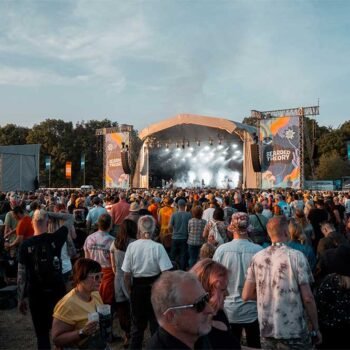
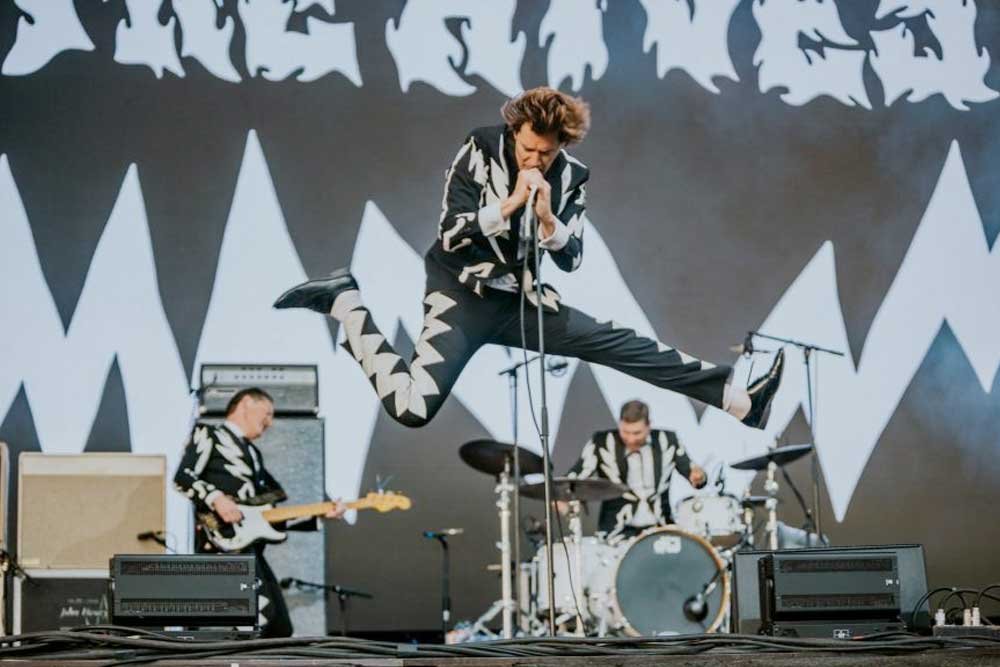
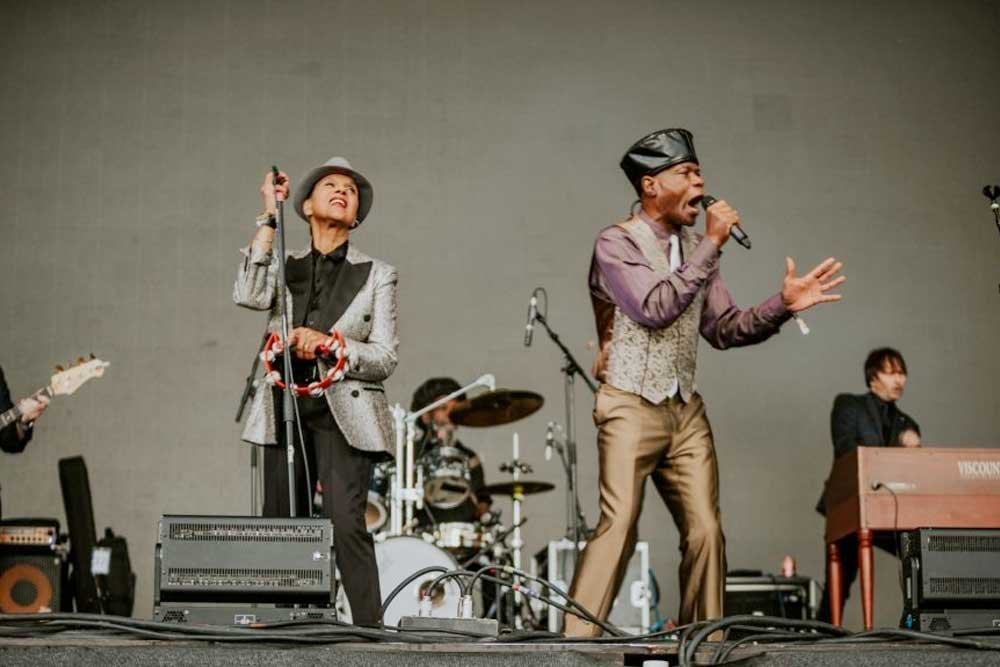
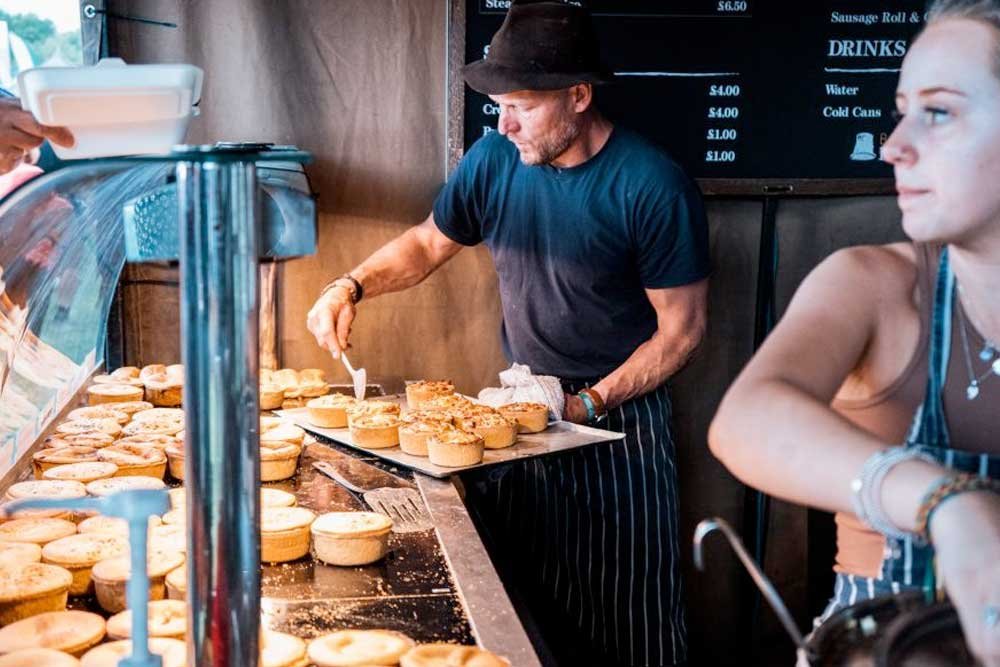
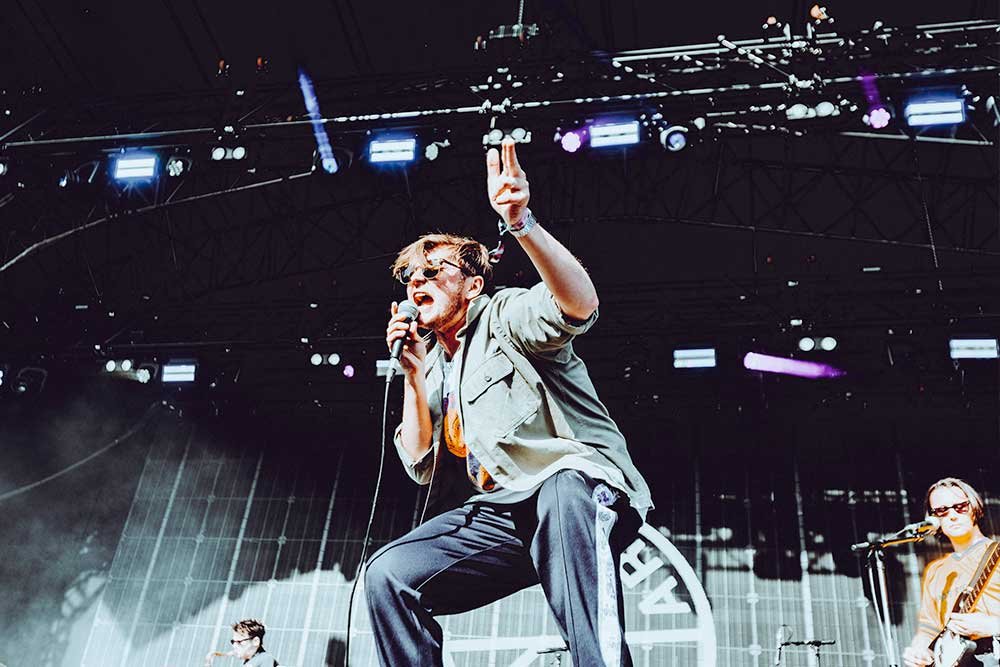
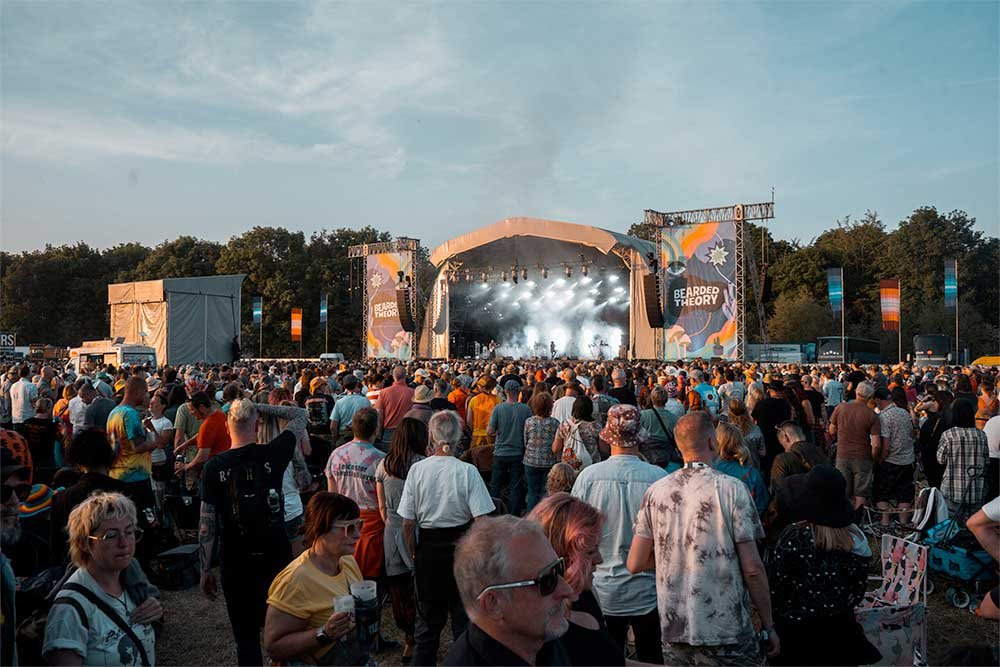
Bearded Theory is a multi-award winning creative and performing arts festival set in the beautiful grounds of Catton Hall in the heart of the National Forest. The festival borders 3 counties of West Midlands, South Derbyshire and Staffordshire and only 2 hours away for 50% of the UKs population.
Bearded Theory began life at the Knockerdown Public House, near Carsington Water in 2008. Held over two nights and it overloaded the capacity of the venue. Opening with two acoustic acts (one of whom was also the festival compere known as ‘Freedom’) the first full band to play the festival were Nottingham rock band Felicity Kicks. Other bands to play included 3 Daft Monkeys, Dreadzone, Tarantism & Hobo Jones & the Junkyard Dogs.
In 2016 the festival won “UK`s Best Family Festival” at the UK Festival Awards, 2014 we won “Promoter of the Year” award at the UK Festival Awards and Festival Kidz “Silver Award”. In 2013, after being shortlisted for many years, it finally won “Best Small Festival” at the UK Festival Awards and a Festival Kidz “Gold Award”. In 2011, we won the “UKs Best Independent Festival” at the AIM Music Awards. Over the years, we have also been shortlisted for many awards including Best Grassroots and Best Toilets. We have also been named as “Gig of the Year”, “Festival of the Year” and named as the UK`s Best Family and Medium sized festival in various major print media.
The festival has always been audience led and their programming is operated the same now as when it started 12 years ago, the festival books acts off the back of the fans recommendations, improved the infrastructure in line with feedback and sourced the vendors and bars off the back of the suggestions of people that attend.