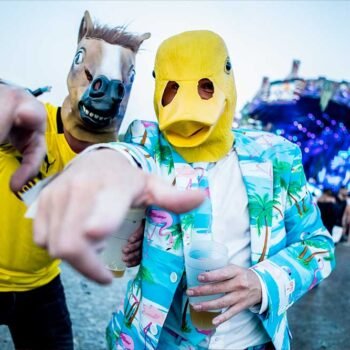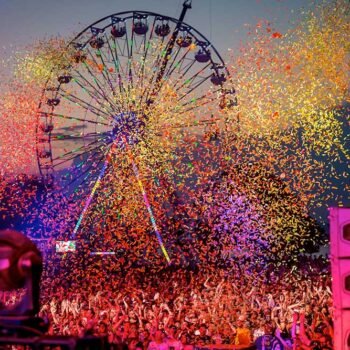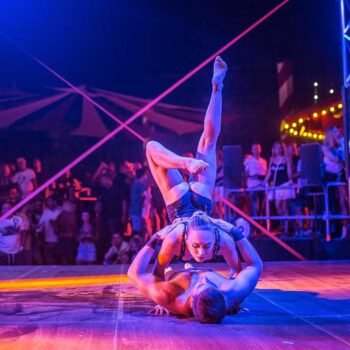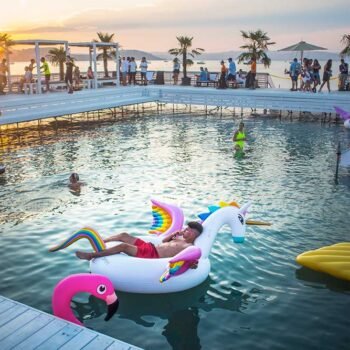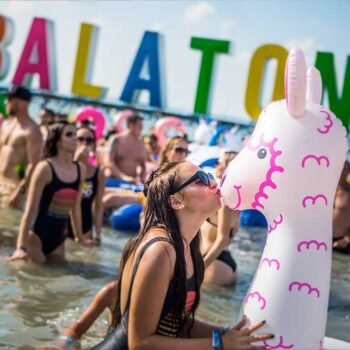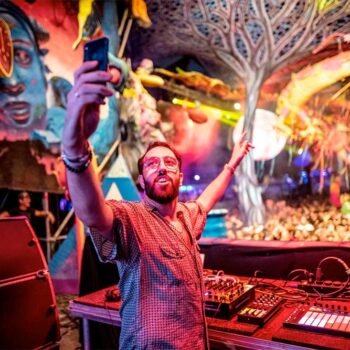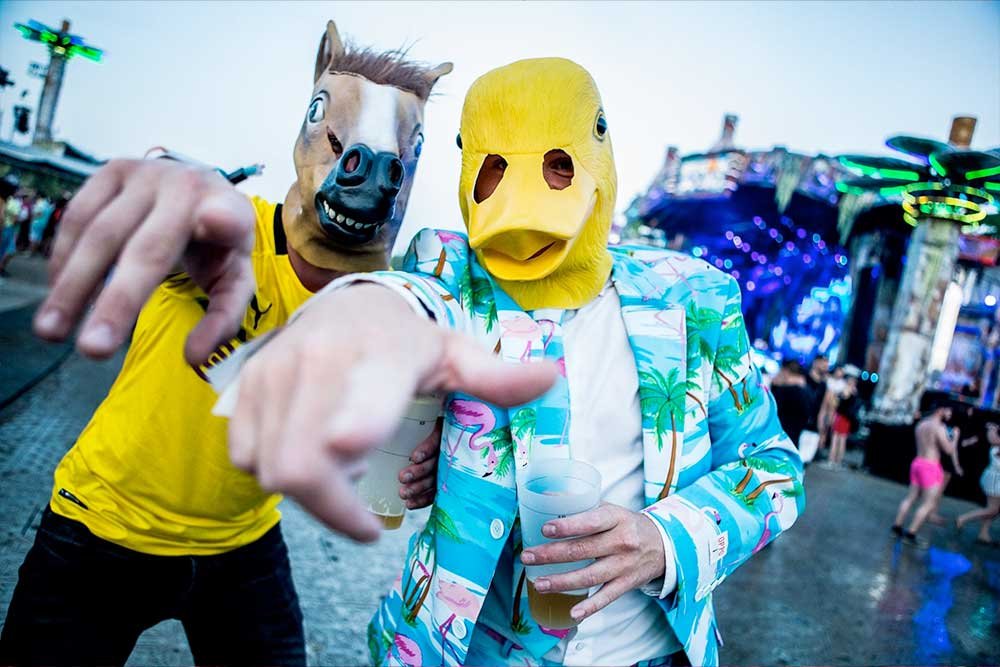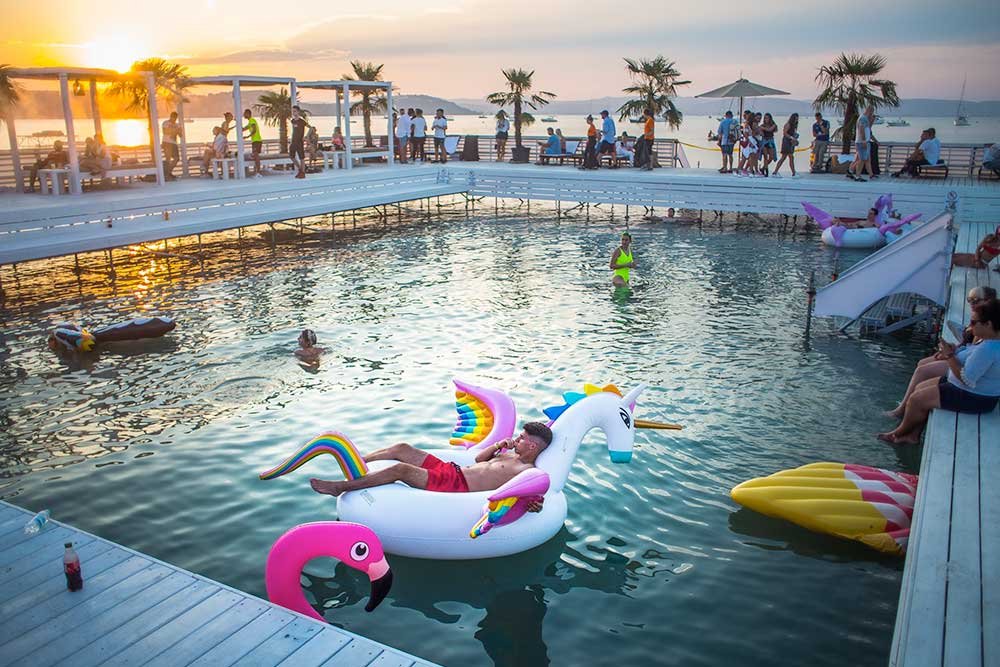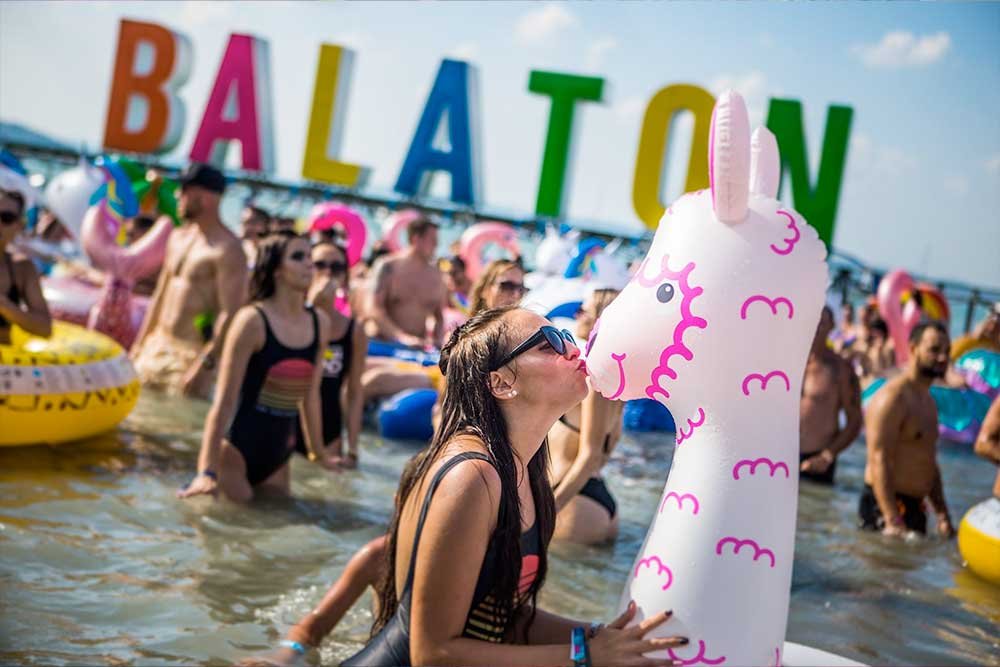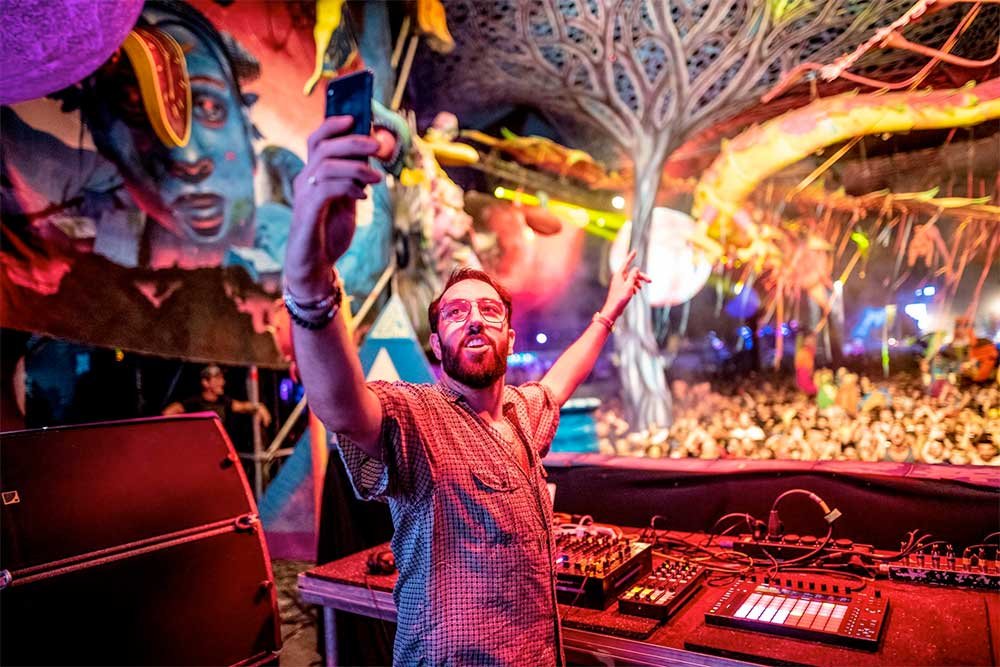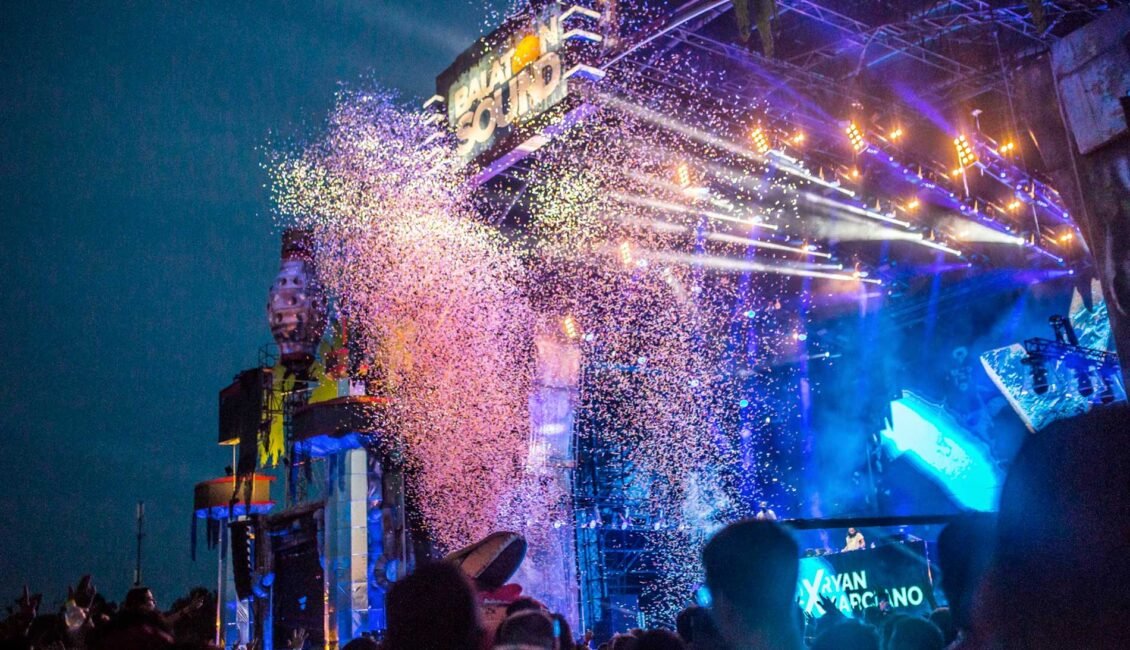
Balaton Sound (also known as Heineken Balaton Sound between 2007 and 2012 and as MasterCard Balaton Sound since 2013 for sponsorship reasons) is one of Europe’s largest open air electronic music festivals. Held annually since 2007 on the southern bank of Lake Balaton, Hungary, it features live acts and DJs from all around the world, from established artists to new names. The event was co-created by the organizers of Sziget Festival.
The first Balaton Sound festival was held between 12 July and 15 July 2007. The fact that the event was held on the shore of the largest lake in Central Europe in mid-summer, its twenty-hour music schedule, and the line-up gained it significant public interest.
The festival is located on the west part of Zamárdi at the crossing of Panoráma and Zöldfa utca (street).
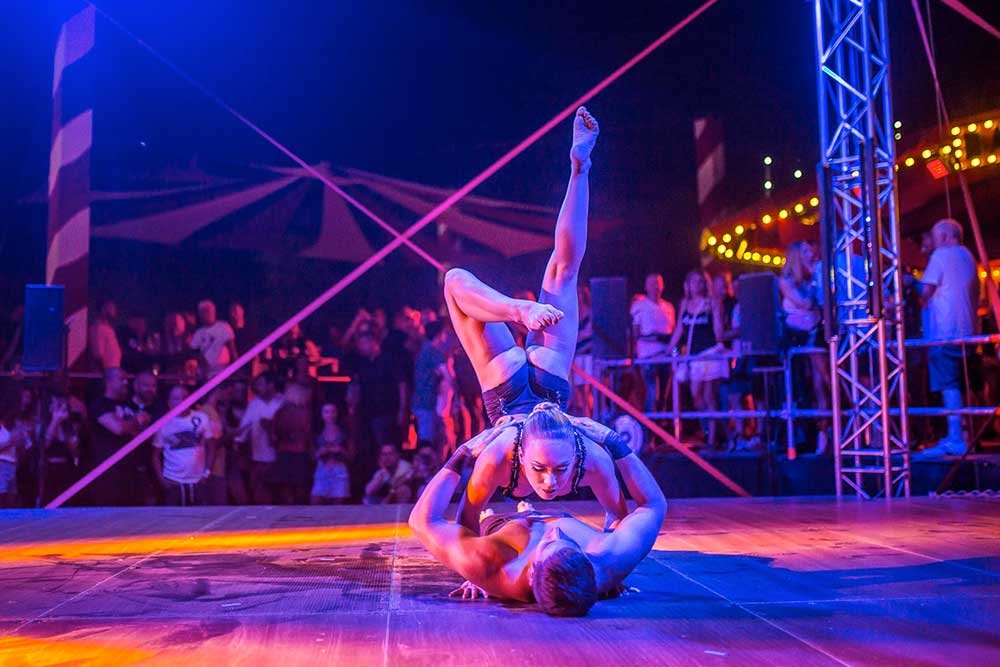
Inside the festival area variable stages, lounges, and tents are established for the performances. The sponsors of the festival create luxurious chill-out facilities with hammocks, bean bags, and easy chairs. Visitors to Balaton Sound can stay at a special campsite with several pubs, cocktail bars and restaurants equipped with accoutrements absent from Hungary’s other summer music festivals. The Main Stage area has a capacity of about 50,000.

Lake Balaton (Hungarian: [ˈbɒlɒton]) is a freshwater rift lake in the Transdanubian region of Hungary. It is the largest lake in Central Europe and one of the region’s foremost tourist destinations. The Zala River provides the largest inflow of water to the lake, and the canalized Sió is the only outflow.
The mountainous region of the northern shore is known both for its historic character and as a major wine region, while the flat southern shore is known for its resort towns. Balatonfüred and Hévíz developed early as resorts for the wealthy, but it was not until the late 19th century when landowners, ruined by Phylloxera attacking their grape vines, began building summer homes to rent out to the burgeoning middle class.
It always has been an important location, both tactically and culturally(with many folk tales surrounding it). During the Ottoman wars played an important role in defending Royal Hungary where even battles were fought. While a few settlements on Lake Balaton, including Balatonfüred and Hévíz, have long been resort centres for the Hungarian aristocracy, it was only in the late 19th century that the Hungarian middle class began to visit the lake.[19] The construction of railways in 1861 and 1909 increased tourism substantially, but the post-war boom of the 1950s was much larger.